
- English
- Español
- Português
- русский
- Français
- 日本語
- Deutsch
- tiếng Việt
- Italiano
- Nederlands
- ภาษาไทย
- Polski
- 한국어
- Svenska
- magyar
- Malay
- বাংলা ভাষার
- Dansk
- Suomi
- हिन्दी
- Pilipino
- Türkçe
- Gaeilge
- العربية
- Indonesia
- Norsk
- تمل
- český
- ελληνικά
- український
- Javanese
- فارسی
- தமிழ்
- తెలుగు
- नेपाली
- Burmese
- български
- ລາວ
- Latine
- Қазақша
- Euskal
- Azərbaycan
- Slovenský jazyk
- Македонски
- Lietuvos
- Eesti Keel
- Română
- Slovenski
- मराठी
- Srpski језик
Txina Grafito isostatikoa Fabrikatzaileak, hornitzaileak, fabrika
Carbon/graphite material molding essentially involves increasing the density of the powder mixture and ensuring close contact between the aggregate and binder to produce a green body with a desired size, morphology, and minimal machining allowance. The four main molding methods are extrusion, compression molding, vibration molding, and isostatic pressing. Common carbon/graphite materials on the market (for example, charcoal used for household fires) are mostly formed using hot extrusion and compression molding (cold or hot). Isostatic pressing offers superior molding performance.
The principle of isostatic pressing is based on Pascal's law: pressure applied to a medium (liquid or gas) in a sealed container is uniformly distributed in all directions, with the pressure on the surface being proportional to the surface area. Isostatic pressing involves placing a sample, enclosed in a sealed container, within a high-pressure cylinder. Leveraging the incompressible nature of the liquid medium and its ability to uniformly transmit pressure, the sample is uniformly pressed from all directions. When the fluid is injected into the cylinder, the pressure is evenly transmitted in all directions according to the principles of fluid mechanics. The sample in the cylinder is then subjected to uniform pressure in all directions.
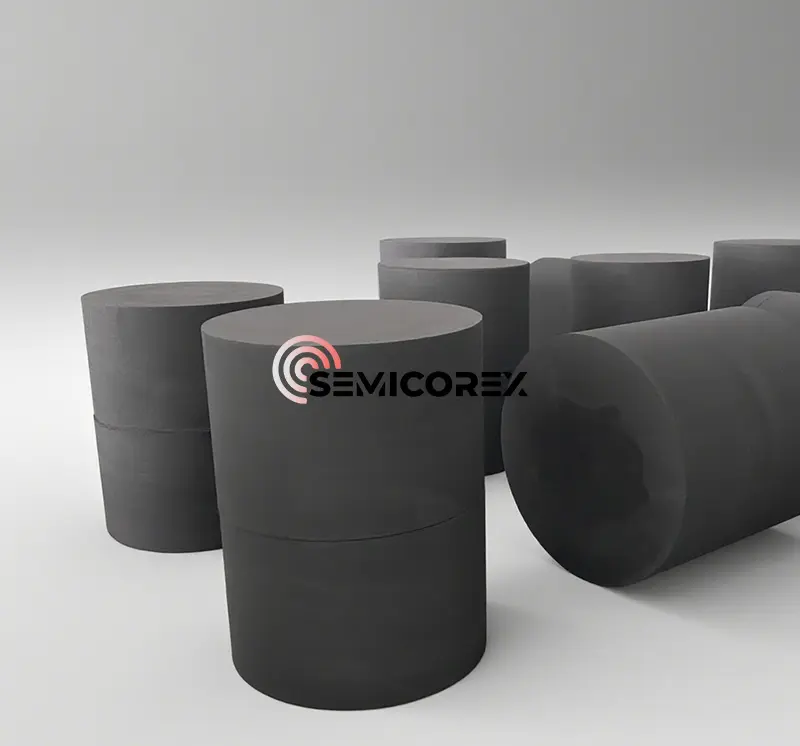
Due to the isostatic pressing method, isostatically pressed graphite exhibits excellent isotropy, with properties independent of shape, size, or sampling direction. The material possesses a dense microstructure, high mechanical strength, high surface hardness, and oxidation resistance. Strong performance and high-temperature resistance; the material has excellent thermal shock resistance and is less susceptible to cracking under rapid cooling and heating conditions.
1. Isotropy
Different molding methods result in different properties in different directions. This is primarily reflected in resistivity, thermal conductivity, mechanical properties, and thermal expansion coefficient. The general measurement method is to sample the product perpendicular to and horizontally from the pressure surface, measure the properties separately, and then divide the smallest value by the largest value to obtain the isotropy ratio.
Traditional carbon/graphite products exhibit significant anisotropy, i.e., the properties of the product are different in the directions perpendicular to and horizontal to the pressure surface. The corresponding difference in performance is generally greater than 1:1.1, hence the term anisotropy. In many cases, this difference is fully exploited, and the greater the difference, the better. Examples include graphite electrodes for steelmaking and brushes for motors. Many applications, such as EDM and single-crystal silicon thermal field applications, increasingly require carbon/graphite products to exhibit isotropy (with an orientation ratio within the 1:1.05 range).
2. Large Dimensions
The market is increasingly demanding larger product sizes. For example, single-crystal silicon products have grown from 6- and 8-inch sizes to 12-inch sizes. The size of graphite materials used in thermal fields is also increasing. This is also increasing. Similar trends are seen in other related industries. Graphite for EDM, continuous casting, and nuclear reactors also requires large-scale products. This is difficult to achieve using molding and extrusion methods. The primary problem with large-scale product production is calcination cracking, and the larger the product, the higher the chance of calcination cracking.
3. Fine Structure
As a structural material, it requires high physical and chemical properties. On the one hand, the finer the particle size of the carbon particles that make up the carbon/graphite material, the denser its texture and the higher its mechanical strength.
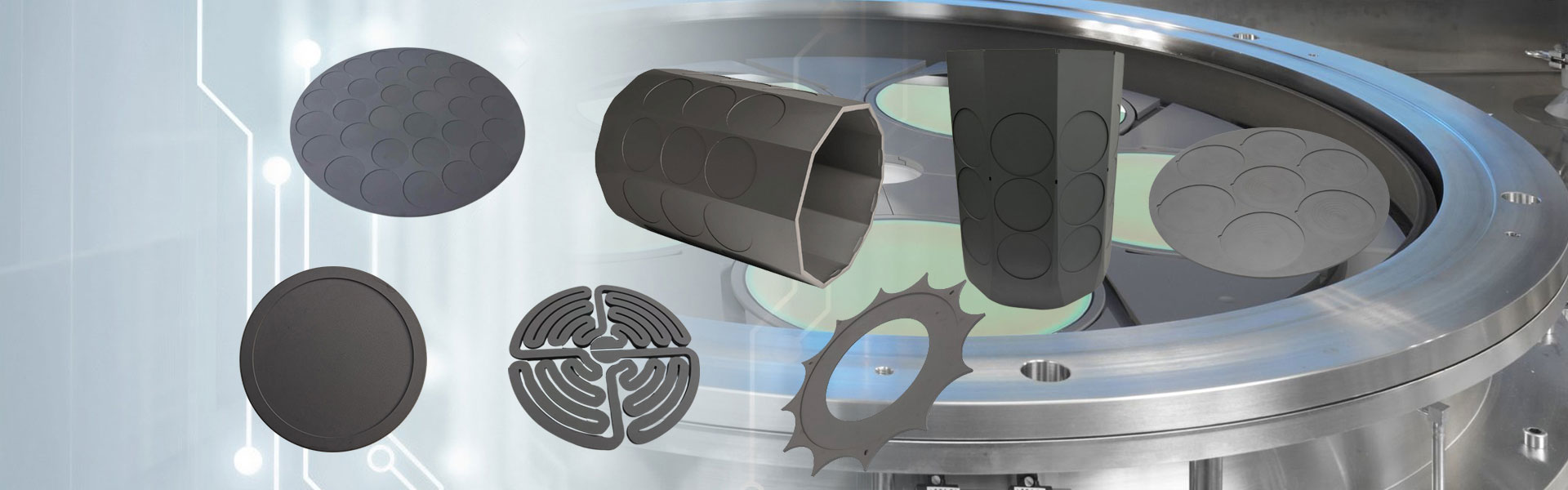
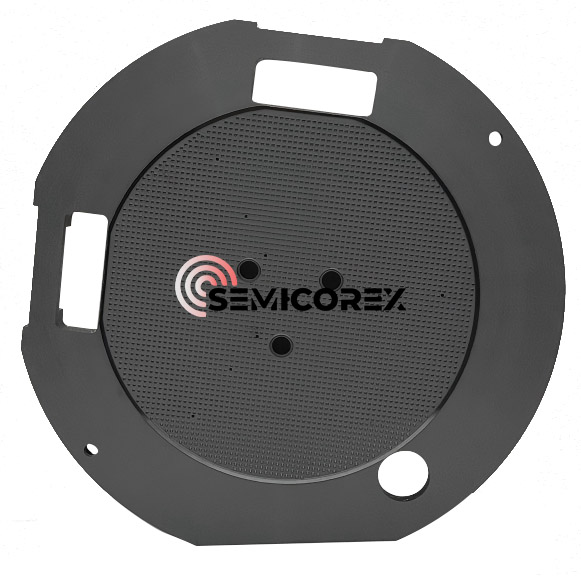
Isostatically pressed graphite is widely used in semiconductor manufacturing processes. It is used in graphite components for the hot zone of single crystal growth furnaces, such as crucibles, heaters, flow guides, and insulation covers; and in graphite components used in epitaxial processes.


- View as
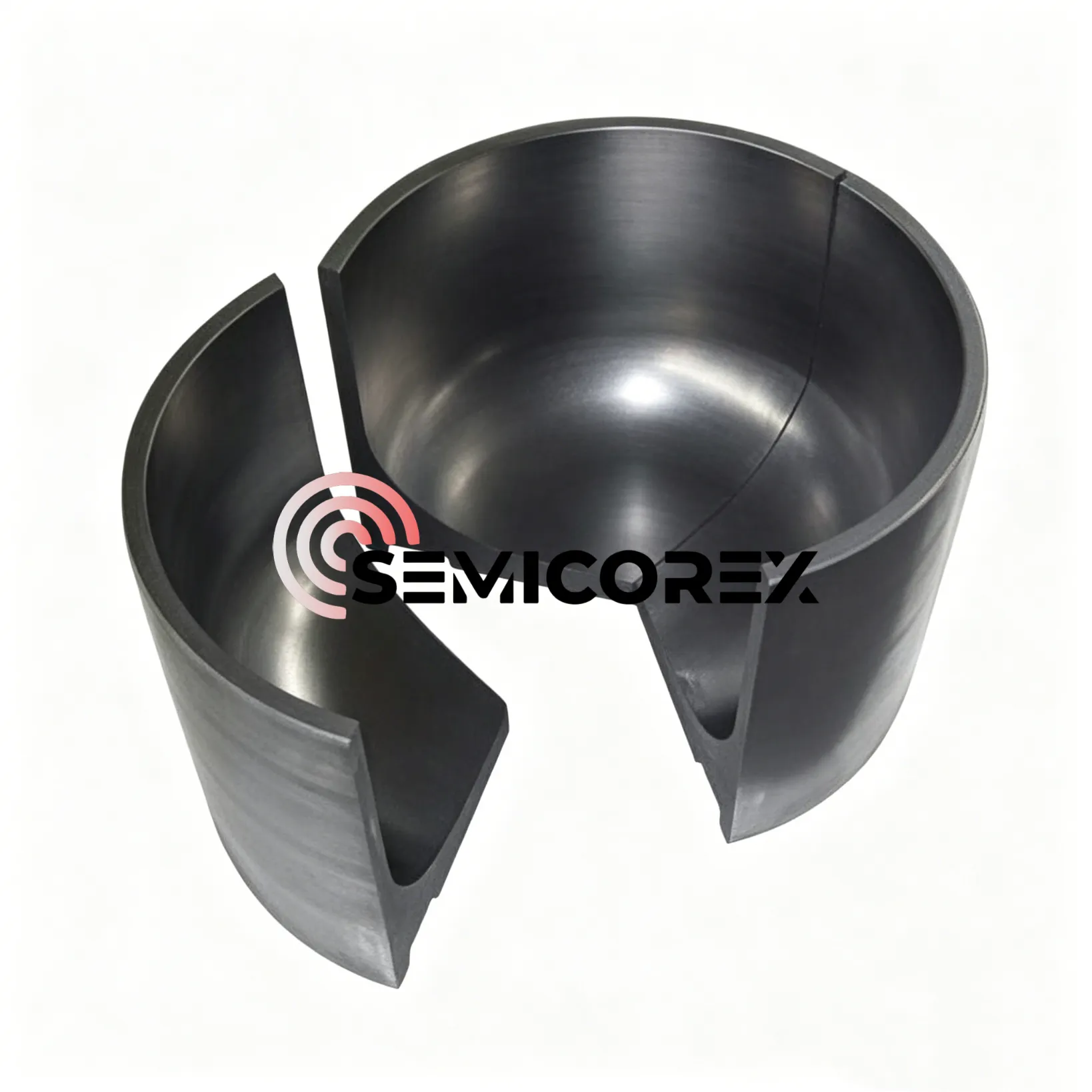
Hiru piezako grafitozko arragoa
Semicorex hiru piezako grafitozko arragoa kristal bakarreko siliziozko hazkuntza prozesuetarako bereziki diseinatutako errendimendu handiko grafito zatitutako ontziak dira. Goi-mailako erdieroaleen tratamendu termikorako aproposa, Semicorex hiru piezako grafitozko arragoa modu fidagarrian babestu dezake kuartzozko arragoa eta bere barneko materialak kristal bakarreko egituren hazkunde kontrolatua lortzeko.
Irakurri gehiagoBidali kontsulta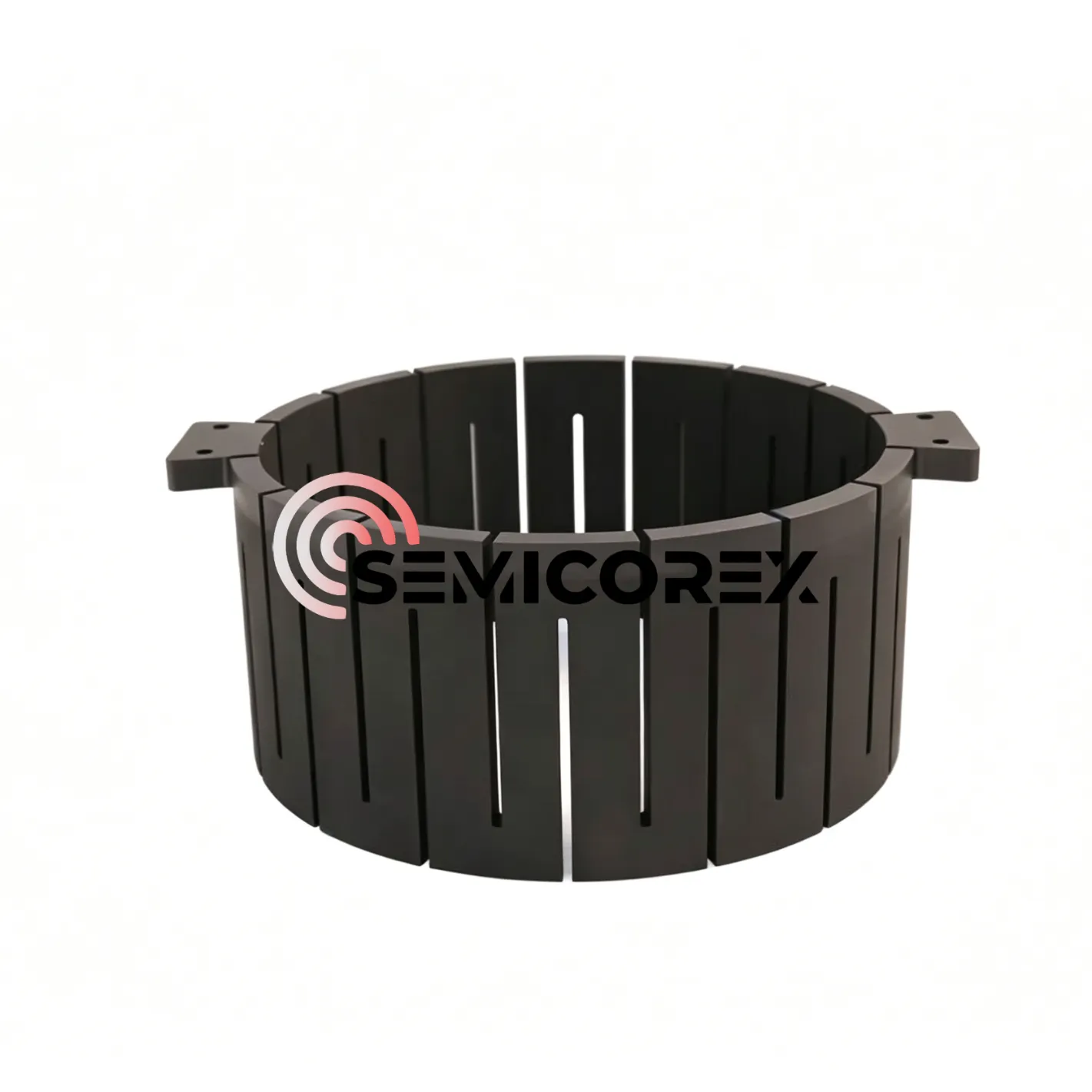
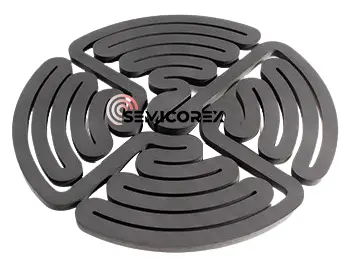
Mahuka motako grafito-berogailuak
Semicorex mahuka motako grafito-berogailuak, eraginkortasun handiko berogailu-elementuak, oso erabiliak kristal bakarreko hazkuntza-labeetan. Semicorex mahuka motako grafito-berogailuak kristal bakarreko labeetan asko erabiltzen diren berogailu-osagai erabakigarriak dira, kalitate handiko silizio monokristalinoaren hazkuntzarako bereziki diseinatuak. Semicorex aukeratzea berokuntza-tratamendu soluzio idealak aukeratzea da.
Irakurri gehiagoBidali kontsulta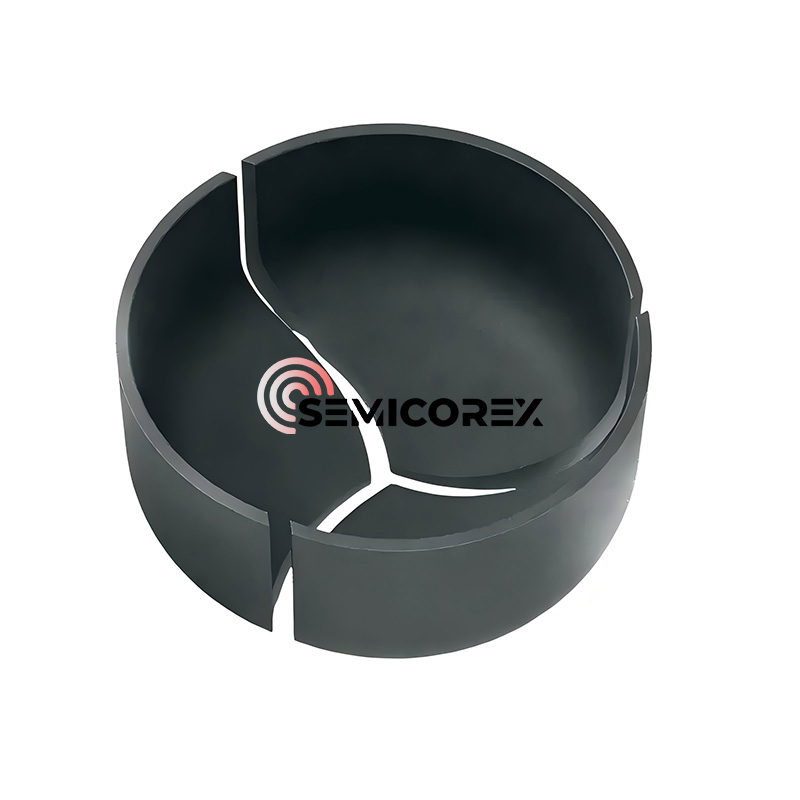
Hiru petaloko grafitozko arragoa
Semicorex purutasun handiko Hiru petalo grafitozko arragoak estresa arintzeko arkitektura berritzaile bat dauka, kristalen hazkundearen etekinak maximizatzeko erdieroaleen muturreko ingurune termikoetan. Semicorex-ek mundu mailako material erdieroaleen soluzioak eskaintzen ditu mundu osoan, industria aurreratuei ahalmena emanez, doitasunez diseinatutako grafito eta zeramikazko osagaiekin, logistika global fidagarri baten laguntzarekin.*
Irakurri gehiagoBidali kontsulta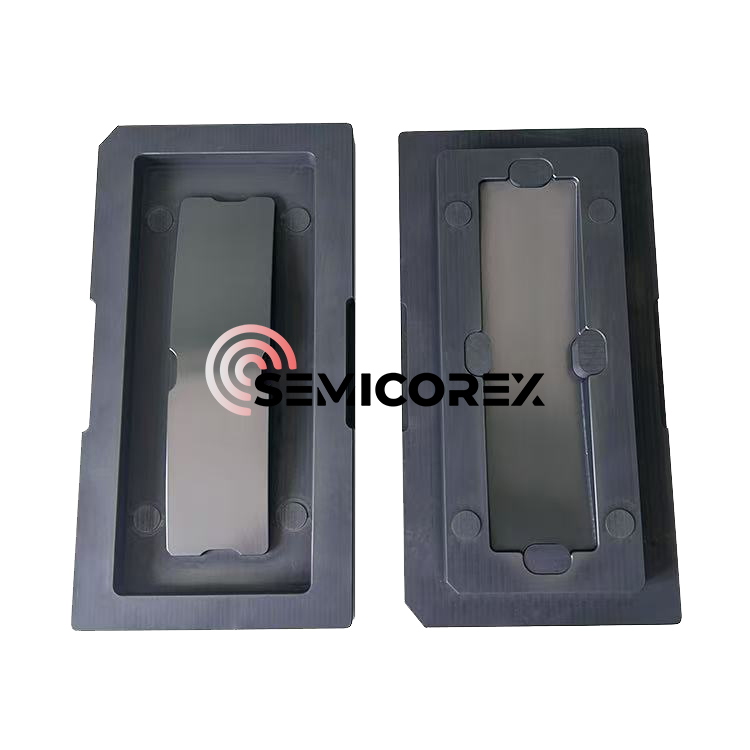
Beroan okertutako beira grafito moldea
Semicorex Hot-Bt Glass Grafito Moldea zehaztasun handiz diseinatuta dago purutasun handiko grafitoarekin, tenperatura altuko erresistentzia, shock termikoen egonkortasuna, auto-lubrikadura eta iraunkortasun kimikoa emateko, kalitate handiko 3D beira kurbatua akats minimoekin bermatuz. Semicorex bere espezializazio sakonagatik, moldeen diseinu aurreratuagatik eta prozesuen kontrol zorrotzagatik aukeratzen da, etekina eraginkortasunez maximizatzen du eta ekoizpen-eskakizun zorrotzenak betetzen ditu.*
Irakurri gehiagoBidali kontsulta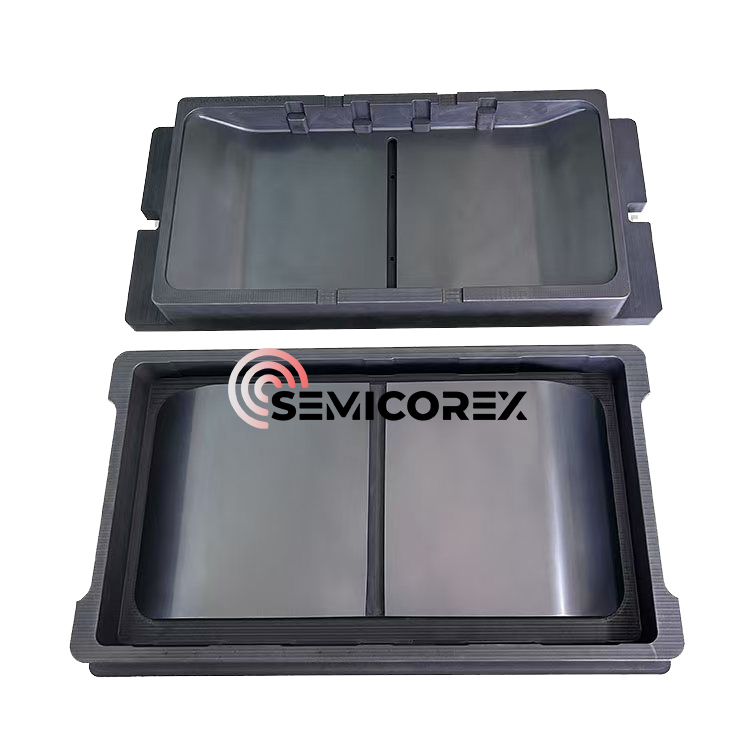
3D Hot Biding Beira Grafito Moldea
Semicorex 3D Hot Bending Glass Grafito Moldea goi-mailako grafito isostatikoko moldea da, 3D beira kurbatu beroan tolestatzeko diseinatua, egonkortasun termiko bikaina, eroankortasun termikoa, higadura eta korrosioarekiko erresistentzia eskaintzen duena, beiraren gainazaleko kalitatea hobetuz, moldearen bizitza luzatuz eta ekoizpen eraginkortasuna eta etekina nabarmen hobetuz. Semicorex kalitate fidagarriagatik, hornidura koherenteagatik eta mundu osoan grafito soluzio aurreratuak eskaintzeko esperientziagatik aukeratzen da.*
Irakurri gehiagoBidali kontsulta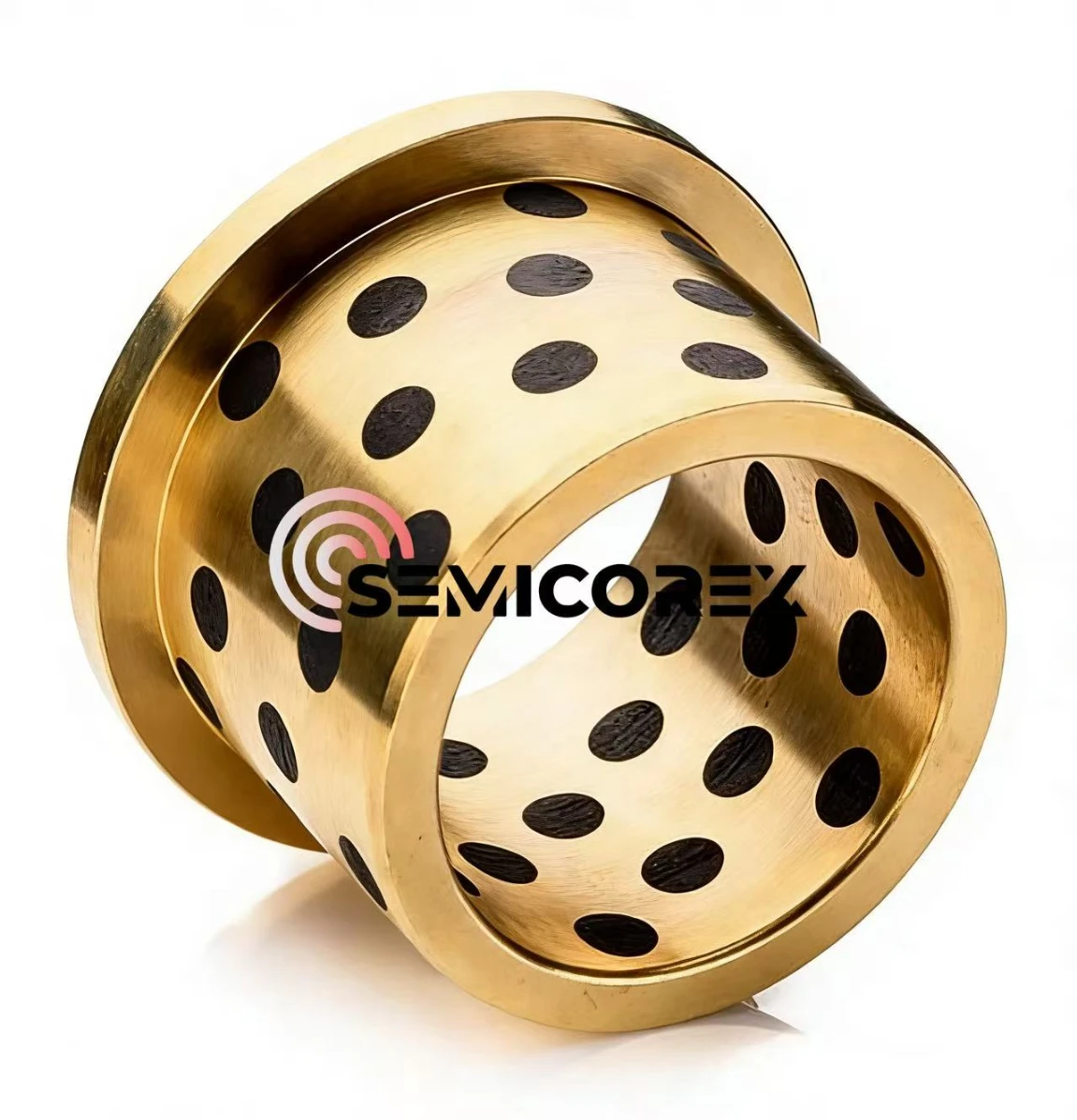
Grafitozko butxak autolubrikatzaileak
Semicorex grafitozko buxin autolubrikatzaileak, oliorik gabeko bushing ere deitzen direnak, kanpoko lubrifikaziorik edo olio-hornidurarik gabe funtzionatzeko bereziki diseinatutako errendimendu handiko errodamendu irristagarriak dira. Errendimendu bikainarekin, Semicorex grafitozko bushing autolubrikatzaileak irtenbide aproposak dira ingurune konplexuetan funtzionatzen duten ekipoetarako, besteak beste, oliorik gabeko funtzionamendua, tenperatura altuak, karga handiak, abiadura baxuak, zikintzearen aurkakoak, korrosioarekiko erresistentzia eta erradiazioarekiko erresistentzia.
Irakurri gehiagoBidali kontsulta
Semicorex-ek urte asko daramatza Grafito isostatikoa ekoizten eta Txinako Grafito isostatikoa fabrikatzaile eta hornitzaile profesionaletako bat da. Soltean paketea hornitzen duten gure produktu aurreratu eta iraunkorrak erosten dituzunean, kantitate handia entrega azkar batean bermatzen dugu. Urteetan zehar, bezeroei zerbitzu pertsonalizatua eskaini diegu. Bezeroak pozik daude gure produktuekin eta zerbitzu bikainarekin. Zinez espero dugu zure epe luzerako negozio-bazkide fidagarria izatea! Ongi etorri gure fabrikako produktuak erostera.